
A lot of people still think of artificial intelligence as something futuristic or experimental. In reality, AI is already built into many of the apps you use every day, often so quietly that you barely notice it. From your phone and email to maps, shopping, streaming, and smart home tools, AI is becoming part of the normal digital experience.
That is what makes this trend so important in 2026. AI is no longer just a chatbot you open when you need help. It is becoming a hidden layer inside the tools people already rely on, helping apps predict, personalize, filter, recommend, organize, and automate.
For everyday users, the real question is not whether AI exists. It is how it is changing the way apps behave, what it improves, and what trade-offs come with it. Here are seven practical ways AI is already reshaping your daily digital life.

1. Search is becoming more direct
The first big shift is search. Instead of simply showing a long list of links, many apps and platforms are moving toward direct answers, summaries, and recommendations powered by AI. That means people are spending less time digging through information manually and more time asking for quick, usable responses.
This can be useful when you want a fast answer, compare options, or get a short explanation without opening ten tabs. But it also changes how people discover information, because the app becomes more of an assistant and less of a doorway.
For users, the convenience is real, but so is the need for caution. The easier it is to trust a fast answer, the more important it becomes to double-check important facts, prices, and recommendations before acting on them.
2. Email and messaging apps are getting smarter
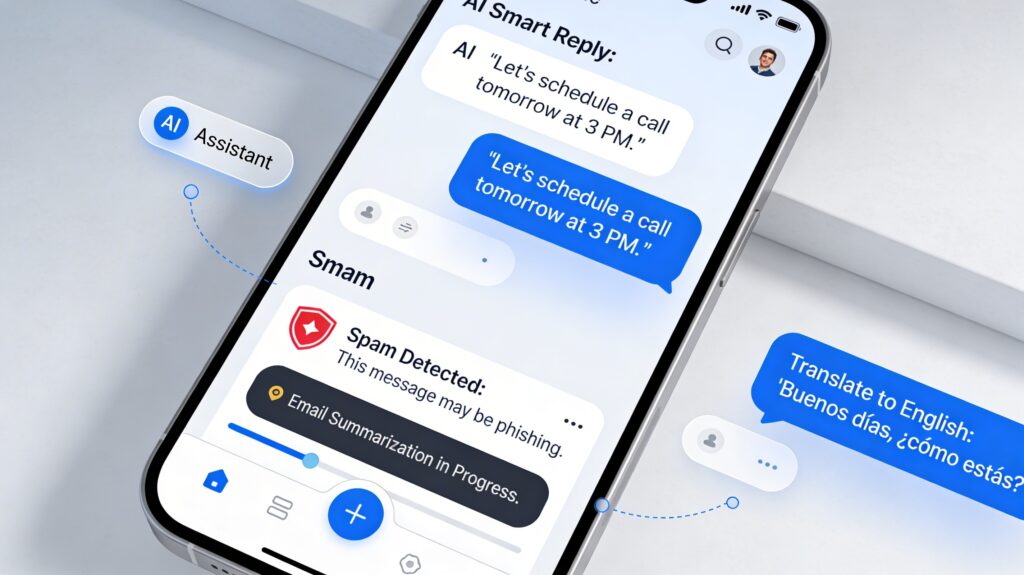
AI is also changing how people write, reply, organize, and protect communication. Modern email tools can suggest replies, improve grammar, summarize long conversations, and filter spam or phishing attempts more effectively than older systems.
That means your inbox is not just a place where messages arrive. It is becoming an active assistant that helps sort what matters, reduce clutter, and protect you from obvious threats. Some systems also learn patterns over time, which makes the filtering feel more personalized.
Messaging apps are shifting too. Translation, smart suggestions, support chat, and automated assistance are becoming more common, making communication faster and more convenient across languages and platforms.
3. Shopping apps know what you want faster
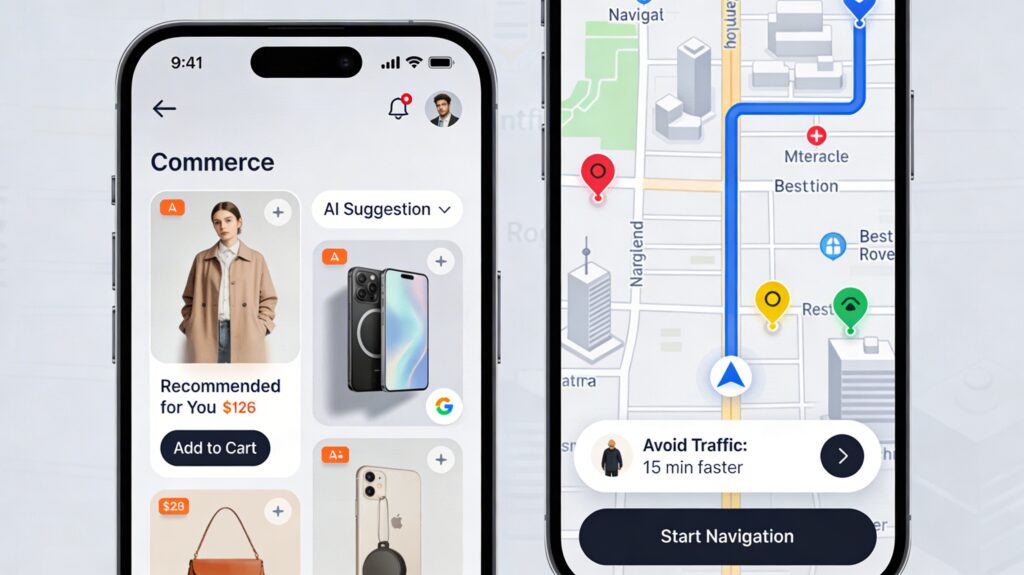
If you have ever noticed that shopping apps seem to understand your taste a little too well, that is AI at work. Recommendation engines, price alerts, review analysis, and personalized product suggestions are now a huge part of digital shopping.
This can save time because instead of scrolling endlessly, users get more tailored product suggestions based on browsing history, preferences, and buying behavior. AI also helps platforms surface “you may also like” items, track price changes, and make reordering easier.
The upside is convenience. The downside is that consumers may start seeing a narrower version of the market, shaped by algorithms rather than open comparison. That is why it still helps to pause, compare, and look beyond the first recommendation.
4. Maps and navigation are becoming more predictive
Navigation apps are not just showing routes anymore. AI helps them predict traffic, learn common destinations, estimate delays, and recommend faster or more efficient travel options based on real-time and historical data.
This matters because people no longer use map apps only when they are lost. They use them to plan arrival times, avoid traffic, manage commuting stress, and make better travel decisions before a problem even appears.
It is one of the best examples of AI being useful without being flashy. Most people are not thinking about machine learning when they open a map app, but they are definitely benefiting from it.
5. Streaming apps are personalizing your attention
Streaming platforms use AI heavily to decide what you see next. Recommendation systems study what you watch, skip, search, replay, and rate so they can surface content that keeps you engaged.
For many users, this feels helpful because it reduces decision fatigue. Instead of searching for something new for half an hour, the app presents shows, videos, or songs that seem likely to match your mood and habits.
But this also changes taste over time. If the algorithm keeps feeding you similar content, it can quietly shape what you discover and what you miss. That is why personalized entertainment feels convenient, but it also gives platforms more influence over your attention than most people realize.
6. Health and fitness apps are becoming more proactive
Wearables and health apps are another area where AI is becoming more useful. Fitness trackers and smartwatches can now analyze things like heart rate, sleep patterns, activity, stress signals, and even fall risk to generate more personalized health insights.
That turns health apps from passive dashboards into systems that can alert, guide, and encourage users in real time. Instead of just showing steps, apps can now point out trends, flag unusual changes, and help people make small decisions that improve daily wellbeing.
For consumers, this is one of the most practical uses of AI because the benefit is easy to understand. Better awareness of sleep, movement, and recovery can feel much more useful than a flashy demo feature that never becomes part of real life.
7. Smart home and assistant apps are becoming more invisible
AI is also making home technology feel less manual. Smart assistants, home control apps, thermostats, cameras, and connected devices are increasingly able to learn routines, automate actions, and respond more naturally to user behavior.
That means your devices may start doing more in the background, such as adjusting temperature, detecting unusual activity, starting routines, or helping coordinate household tasks. When it works well, the experience feels less like controlling gadgets and more like the environment simply responds better.
At the same time, this is where privacy questions become harder. The more helpful and personalized these systems become, the more consumers need to think about what data is being collected and how much convenience they are comfortable trading for automation.

What this means for everyday users
The biggest thing to understand is that AI is not just changing one app category. It is changing the logic of digital products across the board. Apps are becoming more predictive, more personalized, and more automated, which can save time and reduce friction in daily life.
But more intelligence inside apps also means more decisions are being made behind the scenes. What gets recommended, filtered, prioritized, or hidden may increasingly depend on models you do not see and settings you may never check.
That is why the smartest approach in 2026 is not to reject AI or blindly trust it. It is to use it where it genuinely helps, stay aware of how it shapes your experience, and keep basic habits of verification, privacy awareness, and comparison.
Final takeaway
AI is everywhere now, not because robots suddenly took over, but because everyday apps are becoming smarter in small, practical ways. Search feels faster, inboxes feel cleaner, maps feel more predictive, shopping feels more personalized, and devices feel more responsive because AI is increasingly working in the background.
For consumers, that means the future of AI is not only about big announcements. It is about the quiet ways your apps are starting to think for you, assist you, and sometimes influence you. The more you understand that shift, the better you can use modern tech without letting it use you.